
Best stress management psychiatrist in Surat

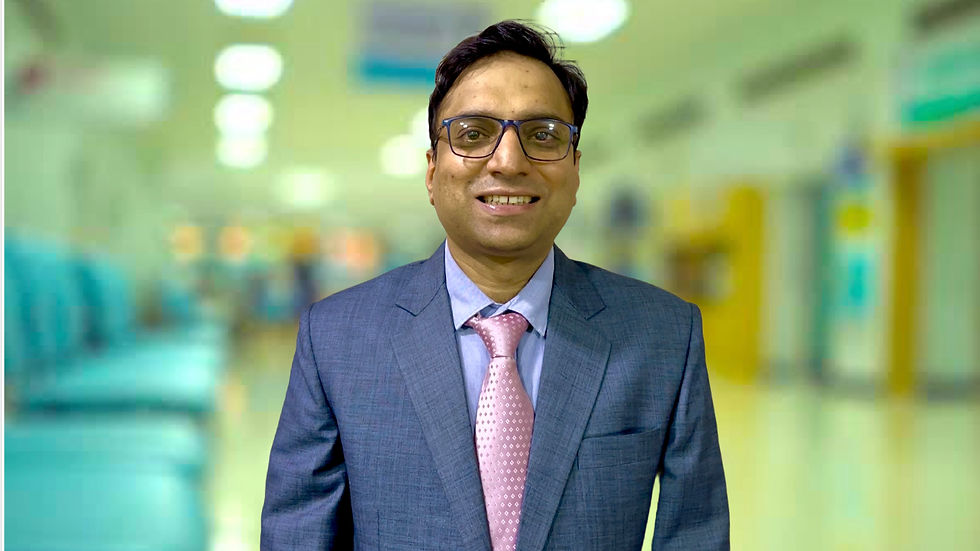
Stress affects millions of people worldwide, disrupting daily life, work, and relationships. In Surat, where the pace of life and work can be demanding, managing stress effectively is essential for maintaining health and happiness. Dr Mayank Agrawal, a leading stress management doctor in Surat, offers practical and proven strategies to help individuals regain control over their mental well-being. This post explores some of the best approaches recommended by Dr Agrawal to overcome stress and build resilience.
Understanding Stress and Its Impact
Stress is the body's natural response to challenges or threats. While short-term stress can motivate action, prolonged stress harms physical and mental health. Common effects include headaches, fatigue, anxiety, and difficulty concentrating. Chronic stress can increase the risk of heart disease, depression, and other serious conditions.
Dr Mayank Agrawal emphasizes that recognizing stress early is crucial. Many people ignore symptoms until they become overwhelming. By understanding how stress manifests, individuals can take timely steps to manage it.
Personalized Stress Assessment
One of the first steps Dr Agrawal takes with patients is a detailed stress assessment. This involves:
Discussing lifestyle, work, and personal challenges
Identifying specific stress triggers
Evaluating physical and emotional symptoms
Reviewing coping mechanisms currently used
This personalized approach helps tailor strategies that fit each person's unique situation. For example, a busy professional facing work pressure may need different tools than a student dealing with exam anxiety.
Practical Stress Management Techniques
Dr Mayank Agrawal recommends several practical techniques that patients can incorporate into daily life to reduce stress:
Mindfulness and Meditation
Practicing mindfulness helps individuals stay present and reduce negative thought patterns. Meditation techniques taught by Dr Agrawal focus on breathing exercises and guided visualization. These practices calm the nervous system and improve emotional regulation.
Physical Activity
Regular exercise releases endorphins, natural mood boosters. Dr Agrawal advises activities like walking, yoga, or swimming based on patient preference and physical ability. Even short daily sessions can significantly lower stress levels.
Time Management
Poor time management often increases stress. Dr Agrawal works with patients to prioritize tasks, set realistic goals, and create balanced schedules. This reduces feelings of overwhelm and improves productivity.
Healthy Sleep Habits
Sleep deprivation worsens stress and impairs cognitive function. Dr Agrawal guides patients on establishing consistent sleep routines, avoiding stimulants before bedtime, and creating a restful environment.
Nutrition and Hydration
Eating balanced meals and staying hydrated support brain function and energy levels. Dr Agrawal highlights the importance of reducing caffeine and sugar intake, which can exacerbate anxiety.
Cognitive Behavioral Therapy (CBT)
For many patients, Dr Mayank Agrawal incorporates Cognitive Behavioral Therapy to address negative thought patterns that fuel stress. CBT helps individuals:
Identify and challenge unhelpful beliefs
Develop healthier thinking habits
Build coping skills for stressful situations
This evidence-based therapy has shown strong results in reducing anxiety and improving emotional resilience.
Stress Management Workshops and Group Sessions
Dr Agrawal also conducts workshops and group sessions in Surat. These provide a supportive environment where participants learn stress reduction techniques together. Group settings encourage sharing experiences and building community, which can reduce feelings of isolation.
When to Seek Professional Help
While self-help strategies are effective for many, some individuals require professional intervention. Dr Mayank Agrawal advises seeking help if stress causes:
Persistent sadness or irritability
Difficulty functioning at work or home
Physical symptoms like chest pain or severe headaches
Thoughts of self-harm or hopelessness
Early consultation with a specialist can prevent complications and improve outcomes.
Building Long-Term Resilience
Stress management is not a one-time fix but a lifelong skill. Dr Agrawal encourages patients to:
Maintain regular self-care routines
Stay connected with supportive people
Continue practicing relaxation techniques
Monitor stress levels and adjust strategies as needed
Developing resilience helps individuals face future challenges with confidence and calm.


Comments